
Kona vs. Maui: Where Is the Best Snorkeling in Hawaii?
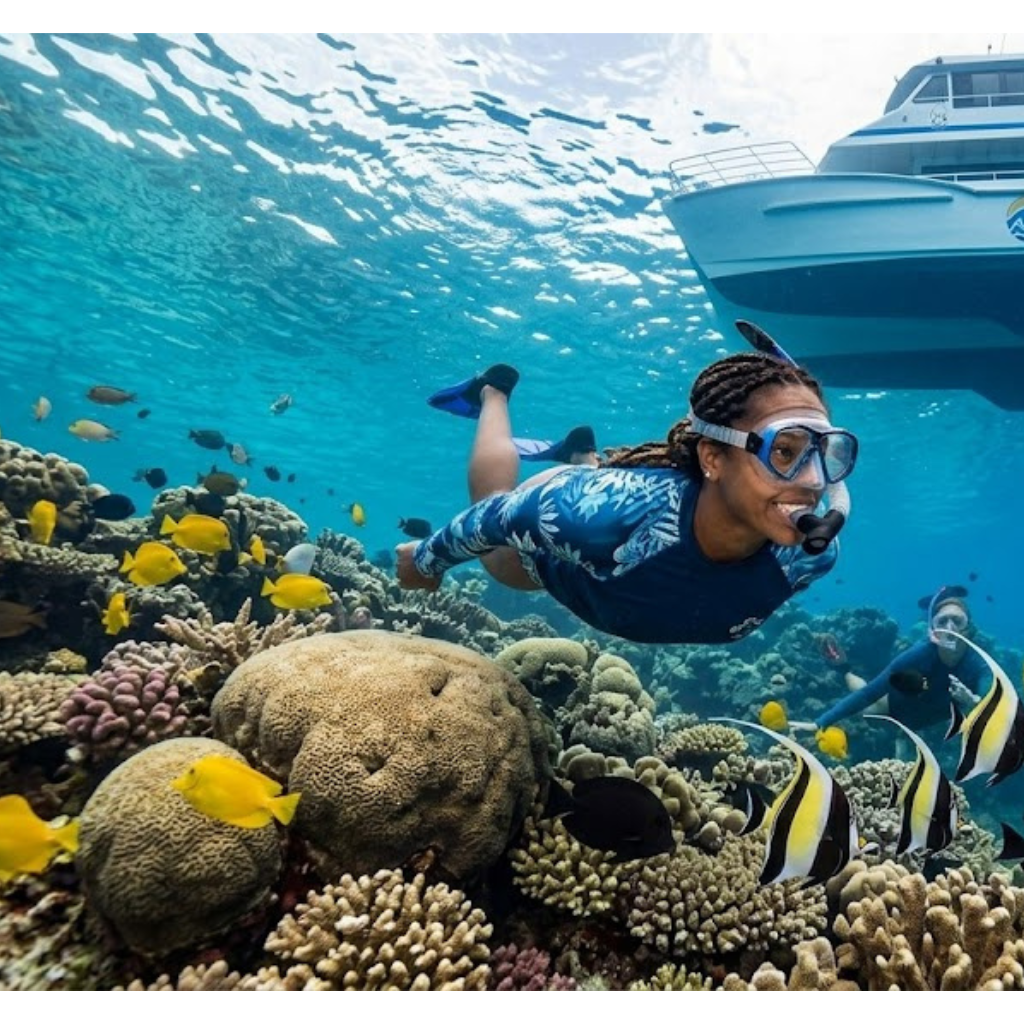
Kona vs. Maui: where is the best snorkeling in Hawaii? It’s one of the most common questions we hear from guests planning their first trip to the islands, and it’s a fair one. Both islands have real reputations in the water. But after years of running snorkel tours along the South Kona Coast, we can tell you why Kona tends to come out ahead.
This isn’t about dismissing Maui. It has good snorkeling, and plenty of visitors love it. The difference comes down to a few specific factors that make Kona’s water and reefs stand apart.
Comparing Kona vs. Maui: Where Is the Best Snorkeling in Hawaii
When people ask about Kona vs. Maui snorkeling, they’re usually really asking about four things: water clarity, reef structure, how far you have to travel to reach good spots, and what marine life you’ll actually see.
Those four factors decide more about your day than almost anything else. A calm bay with murky water isn’t much fun, and neither is a gorgeous reef that takes two hours to reach. Let’s look at how Kona and Maui stack up on each one.
What Makes Kona Snorkeling Stand Out
Kona’s advantage starts with geology, and it shows the moment you get in the water.
Kona’s Volcanic Reefs and Clear Water
The Big Island is the youngest and most volcanically active island in Hawaii. That matters more than you’d think. Fresh lava rock gives coral something solid to grow on, and it hasn’t had thousands of years to erode into sand the way older islands have.
Maui, by comparison, is older. Its coastline has broken down into more sand over time, and sand in the water means lower visibility, especially after wind or wave action stirs things up. Kona’s rockier, younger coastline keeps the water noticeably clearer on most days.
The Manta Ray Night Snorkel You Can’t Find on Maui
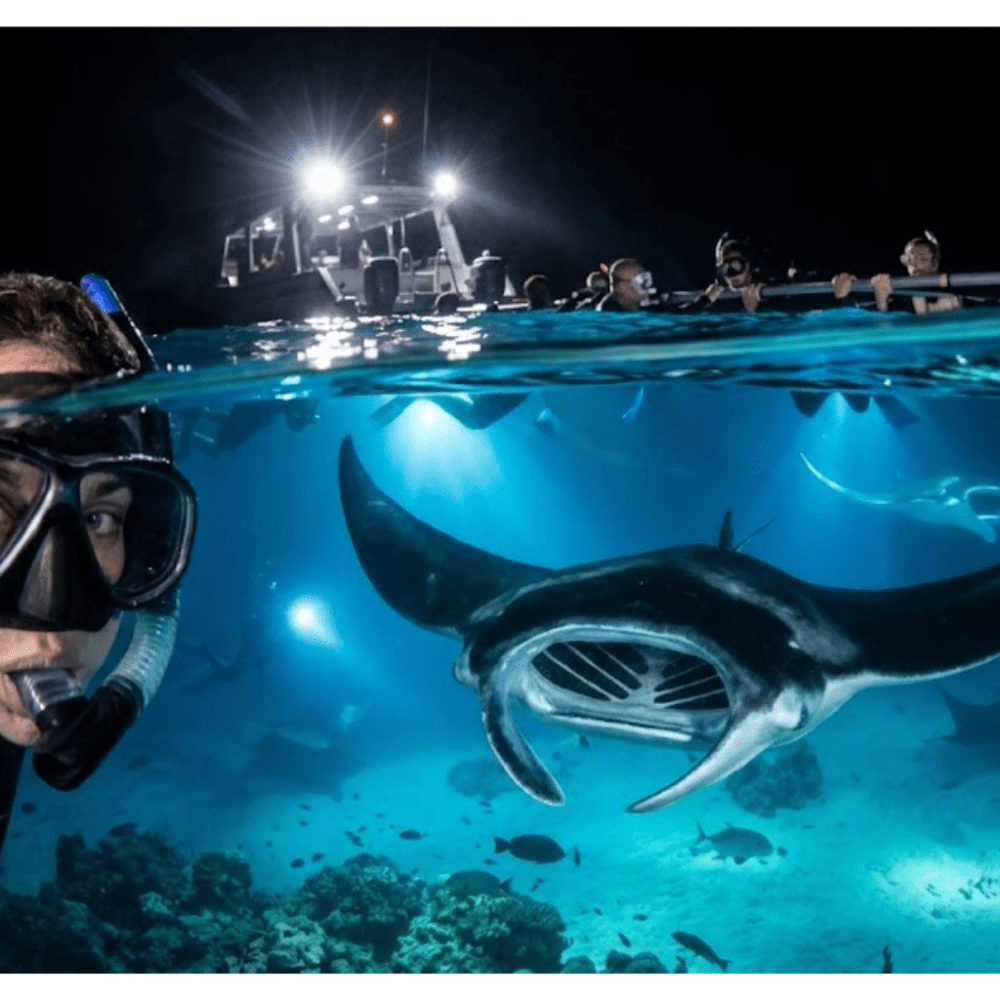
If there’s one experience that tips the Kona vs. Maui snorkeling debate for a lot of travelers, it’s the manta ray night snorkel. You float at the surface holding a lit board, and manta rays glide beneath you as they feed on plankton drawn in by the light.
This isn’t a seasonal event and it isn’t something Maui offers in the same way. It’s specific to the way Kona’s coastline and marine life come together, and it’s the kind of encounter people talk about for years afterward.
What Maui Snorkeling Offers Visitors
Maui earns its reputation honestly. Several of its bays, like Kapalua Bay, are calm and easy to access straight from the beach, which makes for a relaxed morning without needing a boat.
Maui also has Molokini Crater, a partially submerged volcanic crater that draws snorkelers from all over the island. Conditions there can be calm and the setting is dramatic. If shore access and a laid-back pace matter most to you, Maui has real strengths worth considering.
Kealakekua Bay and Two Step Compared to Molokini Crater
Here’s where the comparison gets specific. Kealakekua Bay and Honaunau Bay, known locally as Two Step, sit close to shore along the South Kona Coast. A short boat ride gets you there, and once you arrive, the water is clear enough to see straight down to the reef.
Molokini, on the other hand, requires a longer boat trip from most parts of Maui since it sits offshore between Maui and Kahoolawe. Once you’re there, the crater setting is striking, but you’re spending more of your morning in transit to reach it.
Kealakekua Bay also carries cultural and historical weight as the site of the Captain Cook Monument, giving your Captain Cook trip context beyond just the snorkeling itself. Two Step is known for its easy entry and regular sea turtle sightings close to the rocks.
Which Island Wins for First-Time Snorkelers
If you’ve never snorkeled before, ease of entry and water conditions matter more than anything else. Kona’s boat-accessible bays tend to sit in shallow, sheltered water, which gives new snorkelers room to get comfortable without fighting current.
Maui offers some genuinely calm shore-entry spots too, so it isn’t a clear loss for beginners. But when you factor in guided access, shorter boat rides to the best sites, and a crew watching over you the whole time, Kona often gives first-timers a smoother introduction to the water.
So Which Is Better, Kona or Maui, for Snorkeling in Hawaii?
When you weigh water clarity, reef structure, travel time to the best spots, and access to something as singular as the manta ray night snorkel, Kona holds the edge. The Big Island’s younger coastline, clearer water, and closer boat-accessible bays add up to a stronger overall day in the water for most visitors.
That doesn’t mean Maui isn’t worth your time. If your trip includes both islands, you’ll get a fuller picture of what Hawaii’s water has to offer. But if you’re choosing just one place to take a snorkel tour, the case for Kona is hard to ignore.
Ready to see it for yourself? Check out our snorkeling tours and book a trip to Kealakekua Bay, Two Step, or the manta ray night snorkel along the South Kona Coast.