
Manta Ray Identification: Meet Kona’s Resident Mantas
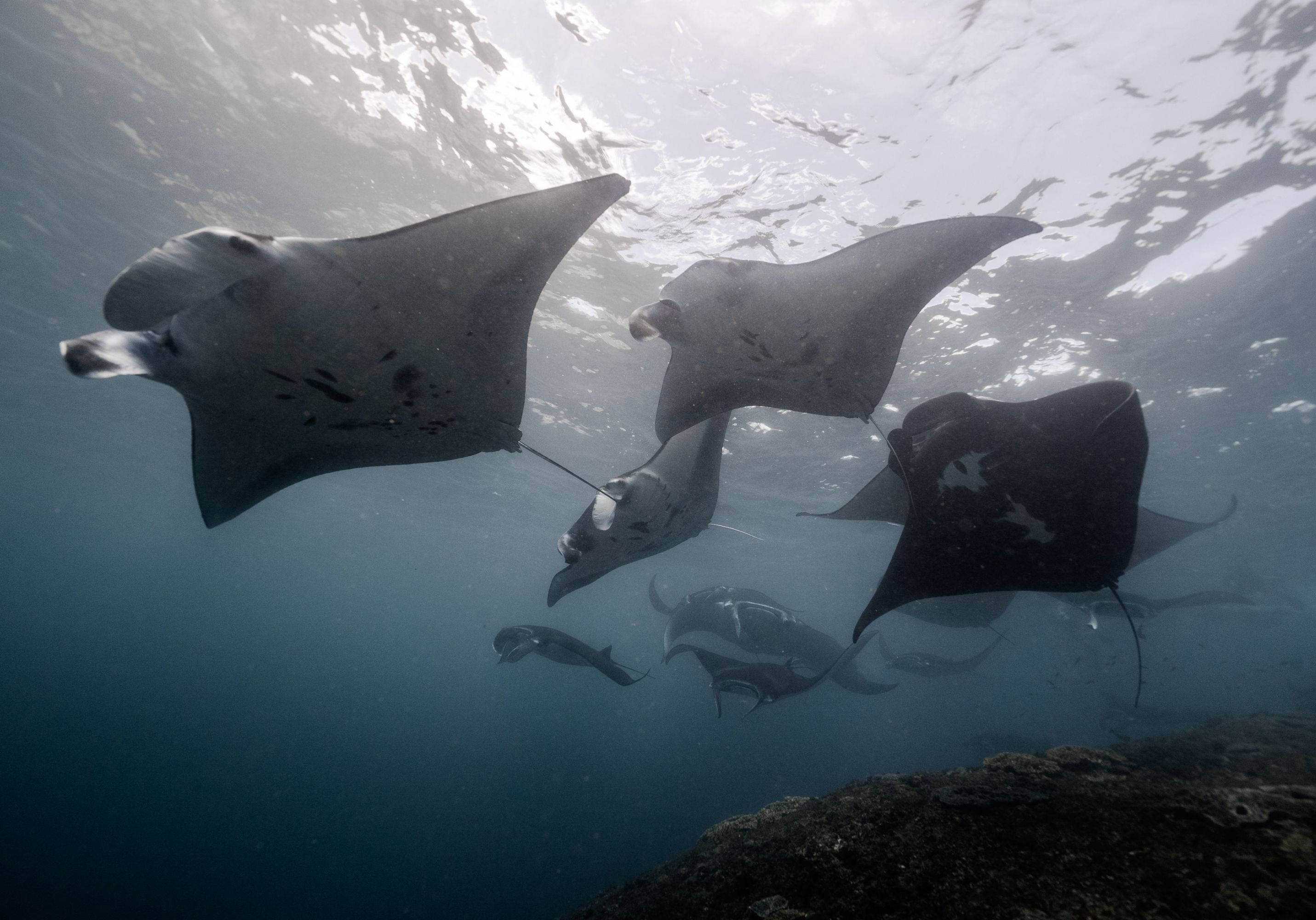
The manta ray gliding beneath you on a Kona night snorkel tour isn’t a stranger passing through. It’s a known individual, one that researchers have photographed, cataloged, and tracked over time.
Manta ray identification is the science behind that recognition, and it’s a big part of what makes swimming with mantas off the Big Island feel different from a typical wildlife encounter. When you understand how identification works, you start to see these animals the way our crew does, as neighbors rather than passing visitors.
At Sea Quest Hawaii, we’ve built our Night Manta Ray Snorkel around this same population.
This article walks through how manta ray identification works, who’s doing that research, and how it connects to what you’ll see on the water.
What Makes Kona’s Manta Rays a Resident Population
Not every manta ray you hear about travels the open ocean. The reef manta rays found along the Kona Coast tend to stay close to home.
Unlike humpback whales, which migrate thousands of miles each season, Kona’s mantas stick around year round. That’s a meaningful distinction. It means the manta you see tonight could be the same one a guide pointed out last month, or even last year.
This residency is exactly why manta ray identification works so well here. A stable, local population gives researchers a consistent group of animals to study, rather than a rotating cast that never returns.
How Manta Ray Identification Works
So how do researchers actually tell one manta apart from another? The answer is on their underside.
Each manta ray carries a unique pattern of black spots across its white belly. No two patterns are the same. Scientists compare that pattern to a human fingerprint, and the comparison holds up. It’s specific enough to identify one individual out of hundreds.
Once a manta’s pattern gets photographed and logged, that animal becomes part of an ongoing record. Every future sighting, whether it’s a match to an existing photo or a brand new pattern, adds to what researchers know about the local population.
Why Belly Spots Are Used Instead of Other Markers
You might wonder why researchers focus on the belly instead of size, color, or wingspan. The answer comes down to consistency.
A manta’s overall size changes as it grows. Scars can appear and fade. But the spot pattern on the underside stays stable across a manta’s lifetime. That stability is what makes it reliable for identification, even years after the first sighting.
How Researchers Photograph and Log Each Manta
The process itself is fairly straightforward, even if the animals involved are anything but ordinary.
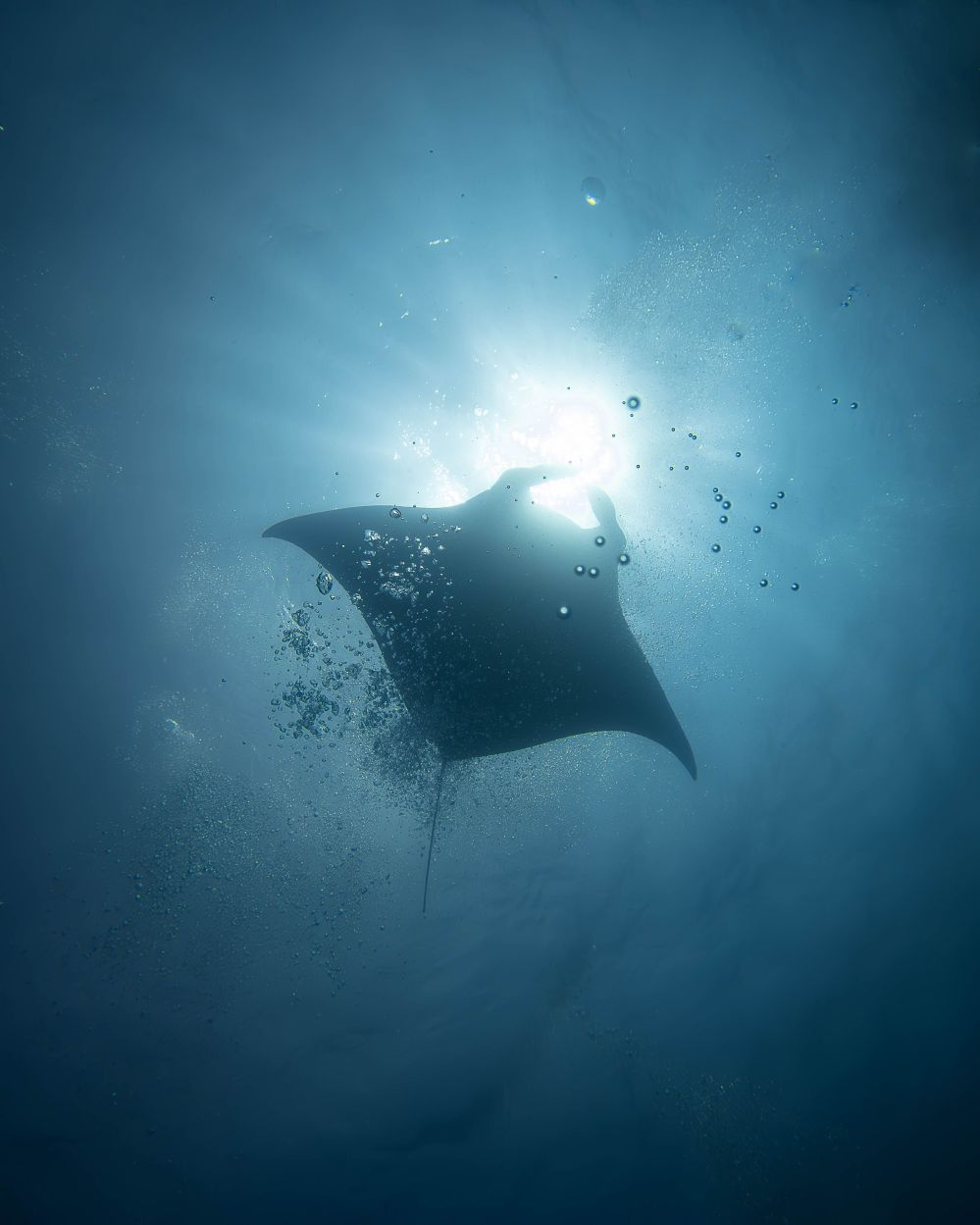
Guides and researchers take underwater photos of a manta’s belly during a dive or snorkel. Those images then get compared against an existing catalog. If the pattern matches a known individual, that sighting gets added to the animal’s record. If it doesn’t match anything on file, it may represent a manta that hasn’t been documented before.
Meet the Manta Pacific Research Foundation’s Kona Catalog
The organization behind much of this work in our waters is the Manta Pacific Research Foundation. Their Kona identification catalog serves as the primary record of manta rays documented along this coast.
Each entry in the catalog typically includes an ID number, the species, the sex of the animal when known, and the date it was first sighted. You can browse the full catalog yourself at mprf.net/identification to see how detailed this record has become.
It’s worth spending a few minutes on that page before your trip. Once you understand how the catalog works, watching a manta glide past on your tour takes on a different meaning. You’re not just observing wildlife. You’re looking at data in motion.
Getting to Know Kona’s Named Resident Mantas
Once a manta has been identified and logged consistently, it sometimes earns a name based on a distinguishing feature or its sighting history. Names make it easier for researchers, guides, and returning visitors to talk about specific individuals without referencing a catalog number every time.
If you snorkel with us more than once, don’t be surprised if a guide recognizes a manta from a previous trip. That kind of recognition isn’t guesswork. It’s built directly on the identification work happening behind the scenes.
How Sea Quest’s Night Manta Ray Snorkel Supports Identification
Our Night Manta Ray Snorkel puts you in the water using illuminated boards that draw in plankton, which in turn draws in the mantas. That same lighting setup happens to make belly patterns easier to see than they’d be during the day.
While you’re in the water, your guide will talk about the Manta Identification Project and how the tour connects to it. You’ll learn that the animals rolling and feeding beneath you aren’t anonymous. They’re part of an ongoing effort to understand and protect this population.
Every time you snorkel with us, you’re contributing to that awareness. Manta ray identification depends on consistent observation, and guests are part of that process every night we head out to Keauhou Bay.
Book a Night Manta Ray Snorkel and See Kona’s Mantas for Yourself
Understanding manta ray identification changes how you experience the water. Instead of hoping to glimpse a manta ray, you’re watching for a pattern that might already have a name attached to it.
Book a Night Manta Ray Snorkel with Sea Quest Hawaii and see this resident population up close. You’ll leave with more than photos. You’ll leave understanding how each manta you saw fits into a record that researchers have been building for years, one belly pattern at a time.