
Night Snorkeling with Manta Rays in Kona
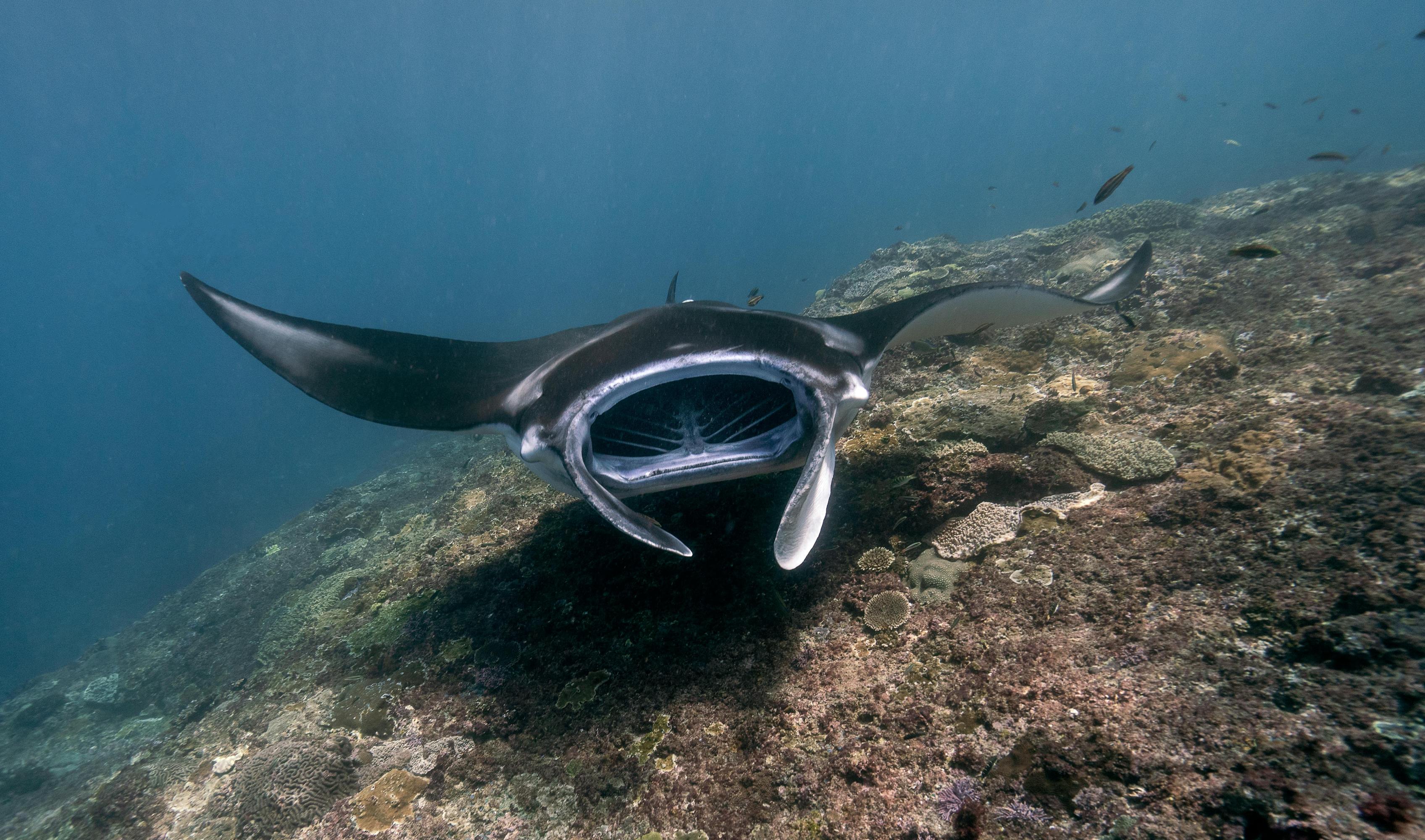
Night snorkeling with manta rays in Kona means floating over a calm reef after sunset while giant manta rays glide inches beneath you. These rays move with slow, graceful wingbeats. The experience feels like watching underwater flight. Kona is the best place in Hawaii to see mantas because the coastline creates ideal feeding grounds. When the lights shine down from the water’s surface, plankton gathers. The rays follow.
If you want an ocean activity that feels peaceful but unforgettable, then join us at Sea Quest.
What Is Night Snorkeling with Manta Rays in Kona?
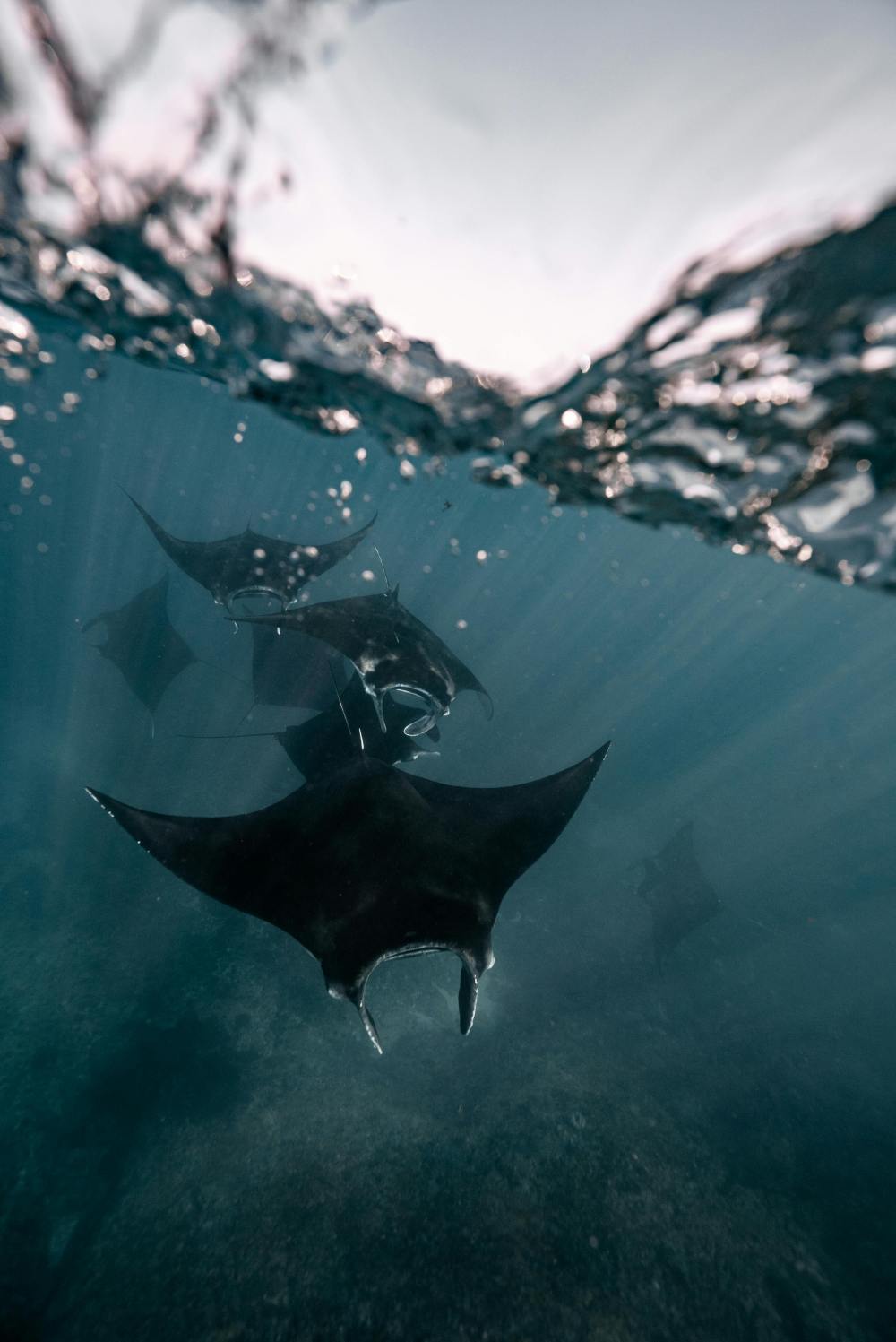
Night snorkeling with manta rays in Kona is a guided experience that takes place after sunset. Boats head to two main manta sites. Crew members place floating light boards in the water. Snorkelers hold onto the edges. Light attracts plankton. Mantas arrive to feed.
These giant rays can reach wingspans of 12 to 16 feet. They look huge, but they move with soft, gentle patterns. Many visitors say this is the most peaceful ocean encounter they have ever had. You float still. You breathe slow. The rays do everything else.
The manta population in Kona remains stable because local rules protect them. Guides enforce “look, don’t touch.” Boats keep distance. The community treats these animals as residents of the reef, not attractions.
Why Is Kona the Best Place for Manta Snorkeling?
Kona’s coastline creates perfect manta conditions. The water stays calm most nights. The ocean floor drops near the shore. Plankton gathers in predictable places. Mantas follow that pattern.
You see mantas here more consistently than anywhere else in Hawaii because:
- The water remains clear.
- The coast blocks wind.
- The natural reef structure gives mantas feeding lanes.
- Light boards at established sites create safe gathering zones.
- Strict rules keep the manta population healthy.
The Kona manta sites have been used for decades. Guides know individual rays by markings. They track behavior. They keep records. This care helps visitors enjoy the encounter without harming the animals.
How Does Night Snorkeling with Mantas Work?
Night snorkeling with manta rays in Kona follows a simple process.
Here is the step-by-step order:
- Check-in and gear fitting.
- Safety briefing.
- Short ride to the manta zone.
- Crew sets up the float board.
- Snorkelers enter calmly.
- Everyone holds the board to stay still.
- Lights attract plankton.
- Mantas glide through the beam.
The tour lasts about 90 minutes on the water. The snorkeling portion usually runs 30 to 45 minutes. It feels shorter because the scene steals your full attention.
Is Night Snorkeling with Mantas Safe?
Yes. Night snorkeling with manta rays in Kona is safe when done with licensed, experienced operators. The rays have no stingers. They do not bite. They do not defend territory. They feed only on plankton.
Safety comes from a few simple rules:
- Stay still.
- Hold the board.
- Keep your legs up.
- Do not kick downward.
- Do not reach for the rays.
Guides stay near you the entire time. They watch currents. They track wind shifts. They guide snorkelers back to the boat one by one. This is one of the safest night activities in the ocean, even for beginners.
What Should You Bring?
You don’t need much. Still, a few items help:
- Swimsuit
- Towel
- Light jacket for the ride back
- Reef-safe sunscreen (for daytime check-in)
- Waterproof bag for phones
- Warm clothes in the car for later
The ocean cools down at night. A wetsuit (provided) keeps you comfortable and adds flotation.
Can Beginners Do This Tour?
Yes. Beginners often enjoy manta snorkeling because you do not move much. You hold a floating board the entire time. The crew helps you in and out of the water. The buoyancy of the wetsuit keeps you up. The board gives stability.
Beginners appreciate:
- Guided support
- A fixed position
- No deep diving
- Clear instructions
- Calm nighttime conditions
If you can float, breathe, and relax, you can join this activity.
What Should You Expect on the Boat?
The atmosphere feels relaxed. Captains explain safety rules. Crew members help with wetsuits and masks. They offer short lessons on how mantas feed. They share local history.
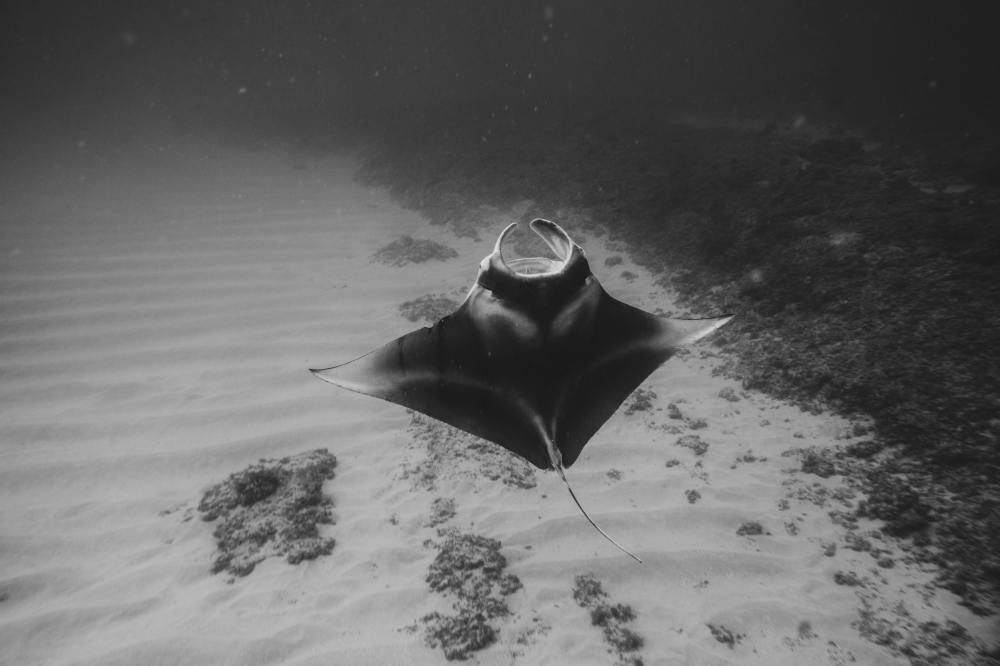
Many manta rays have long records. Some have been seen for more than 30 years. Guides often recognize them by spots or scars. This personal touch makes the tour feel more meaningful. You learn the personality of each ray.
How Close Do Mantas Get?
Very close. Sometimes within a few inches. When a manta glides upward from below, its wings may feel near your fingertips.
Close passes happen because:
- Plankton collects under the lights
- Mantas feed by looping upward
- They roll toward the surface
- They glide back down in arcs
This creates a glowing underwater ballet.
What Should You Not Do During the Snorkel?
Follow these simple rules:
- Do not dive down.
- Do not touch the rays.
- Do not kick toward the reef.
- Do not chase the animals.
- Do not use bright flash photography.
- Do not splash or wave arms.
Calm movements protect the mantas and keep the experience smooth for everyone.
Join Our Manta Ray Tours!
If you want a night activity that feels magical but also calm and safe, night snorkeling with manta rays in Kona delivers. The motion of the rays feels slow and elegant. The water glows in soft light. The entire scene stays gentle. It is one of those rare experiences that feels both surreal and simple at the same time. Ready for the ultimate Hawaii adventure? Book your Manta Ray snorkel with Sea Quest.