Where Is the Best Place to Snorkel in the World? Hawaii’s Kona Coast Wins
You’ve probably searched this question from a couch, a hotel lobby, or a departure gate. You want a real answer, not a recycled list of destinations that all sound the same. So let’s give you one.
Where is the best place to snorkel in the world? For us at Sea Quest Hawaii, the answer is the Kona Coast of Hawaii’s Big Island. We’ve operated small-group snorkeling tours along this coastline for over 35 years, and the ocean here does things that very few places on Earth can match. We’re going to show you exactly why, and how Kona stacks up against the destinations that appear on every global list.
Where is the Best Place to Snorkel in the World? Destinations at a Glance
The table below compares Kona directly to the most frequently cited world-class snorkeling destinations. Look at the full picture: visibility, water temperature, marine variety, and how easy it is to actually get in the water.
| Destination | Visibility | Water Temp (Year-Round) | Marine Life Variety | Snorkeling Season | Best Known For | Beginner-Friendly |
| Kona, Hawaii (Big Island) | 30–100 ft | 76–84°F | Manta rays, honu, spinner dolphins, reef sharks, eels, octopus, Hawaiian endemics | Year-round | Manta ray night snorkel, lava reefs, Kealakekua Bay | Yes |
| Raja Ampat, Indonesia | 40–100 ft | 82–86°F | 75% of world’s coral species, 1,600+ fish species | Nov–Apr | Highest marine biodiversity on Earth | No (remote, no shore entry) |
| Maldives | 30–100 ft | 82–86°F | Whale sharks, manta rays, reef sharks, 2,000+ fish species | Nov–Apr (dry season) | UNESCO manta ray feeding aggregations | Moderate |
| Galápagos Islands, Ecuador | 40–80 ft | 64–81°F (varies widely) | Sea lions, penguins, marine iguanas, reef sharks | Nov–May | Endemic species found nowhere else | No (cold water, strong currents) |
| Great Barrier Reef, Australia | 30–60 ft | 73–84°F | 1,500 fish species, 400 coral species | Jun–Oct | World’s largest coral reef system | Moderate |
| Belize Barrier Reef | 50–80 ft | 80–84°F | Nurse sharks, rays, reef fish, the Great Blue Hole | Nov–Apr | Second-largest barrier reef in the world | Yes |
| Komodo National Park, Indonesia | 20–60 ft | 79–84°F | Manta rays, pygmy seahorses, reef sharks | Apr–Aug | Komodo dragons above water, nutrient-rich reefs below | Moderate |
| Philippines (Donsol Bay) | 20–60 ft | 80–86°F | Whale sharks, sea turtles, colorful reef fish | Nov–Jun | Whale shark swim encounters | Yes |
Notice what sets Kona apart. It’s the only destination on this list that combines year-round access, genuinely beginner-friendly entry, 30 to 100 feet of visibility, and close-encounter megafauna in a single package. Every other top destination asks you to choose a season, accept a skill barrier, or travel to a genuinely remote location. Kona asks for none of that.
Ready to book your spot on the water? View our Kona snorkeling tours here.
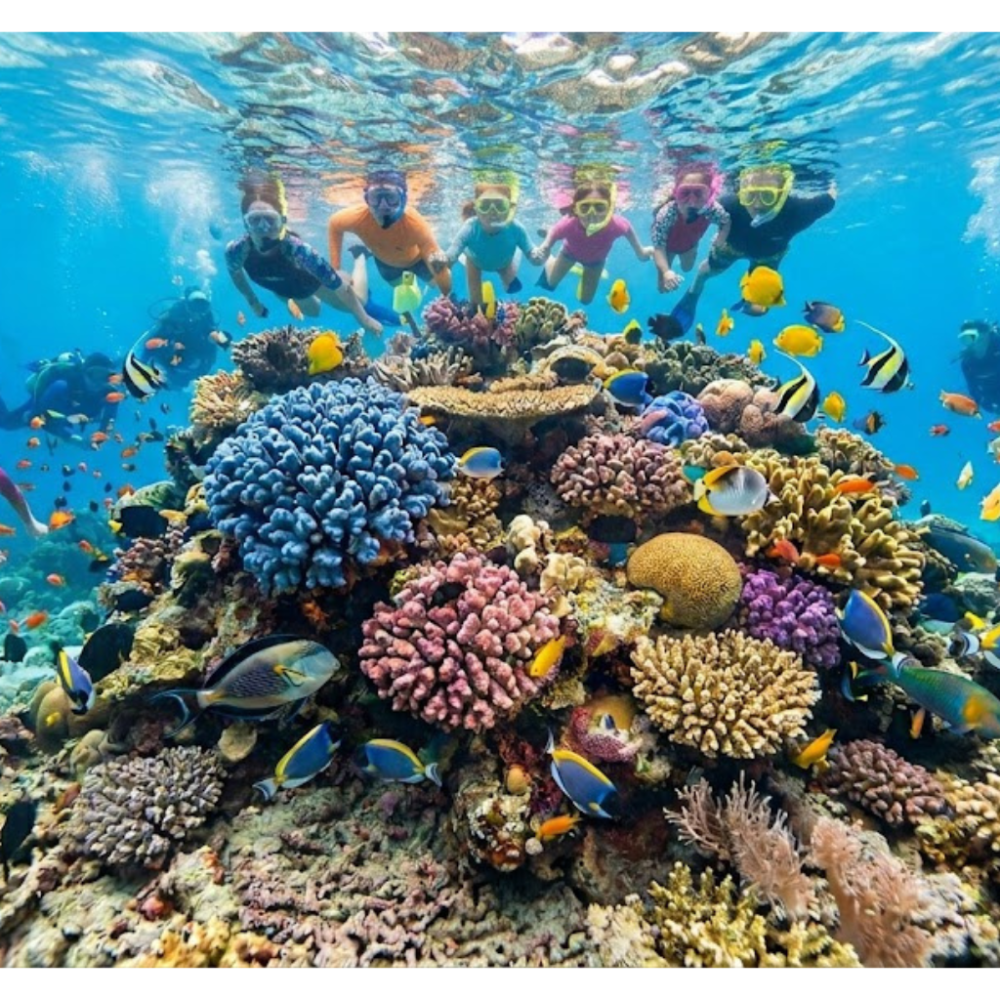
What Makes Hawaii One of the Best Snorkeling Destinations in the World
The ocean off Kona’s west coast is calm, clear, and warm in a way that isn’t luck. It’s geology.
The Big Island sits on the flanks of two massive shield volcanoes, Mauna Loa and Hualalai. Those mountains act as a natural windbreak, blocking the northeast trade winds that batter the rest of Hawaii and churn up visibility on other islands. The result is a stretch of coastline where the water is consistently protected, glassy in the mornings, and lit up by the sun almost every day of the year.
The lava coastline itself helps. Because the island is geologically young, there’s very little sand to stir up and cloud the water. Visibility along the Kona Coast runs between 30 and 100 feet on a typical day. Water temperature stays between 76°F in winter and 84°F in summer. You can snorkel in board shorts year-round.
Kona also sits at the center of a unique oceanographic pocket. Nutrients circulate along the west coast and attract an enormous variety of marine life, including animals you’d expect to see only in the open ocean. It’s a shallow-water experience with deep-ocean encounters built in.
Why the Kona Coast Has Better Conditions Than Other Hawaiian Islands
Maui, Oahu, and Kauai all have good snorkeling. Kona has great snorkeling. The difference comes down to water clarity and stability.
On Maui, many snorkel spots face exposure to trade winds and swell, which shortens your window for ideal conditions. Oahu’s popular spots like Hanauma Bay see heavy visitor traffic that affects the reef and the experience. Kauai’s snorkeling is weather-dependent, with the best sites concentrated on the north shore where winter swell makes access unreliable for months at a time.
Kona’s west-facing, leeward position means calm water is the default, not the exception. And because the Kona Coast is built on fresh lava rather than eroded coral sand, the water stays clear even on active days. It’s consistently better, and that consistency matters when you’re planning a trip.
The Marine Life You Will See Snorkeling in Kona That You Cannot Find Anywhere Else
What lives in Kona’s water is, frankly, the main argument for why this is the best place to snorkel in the world.
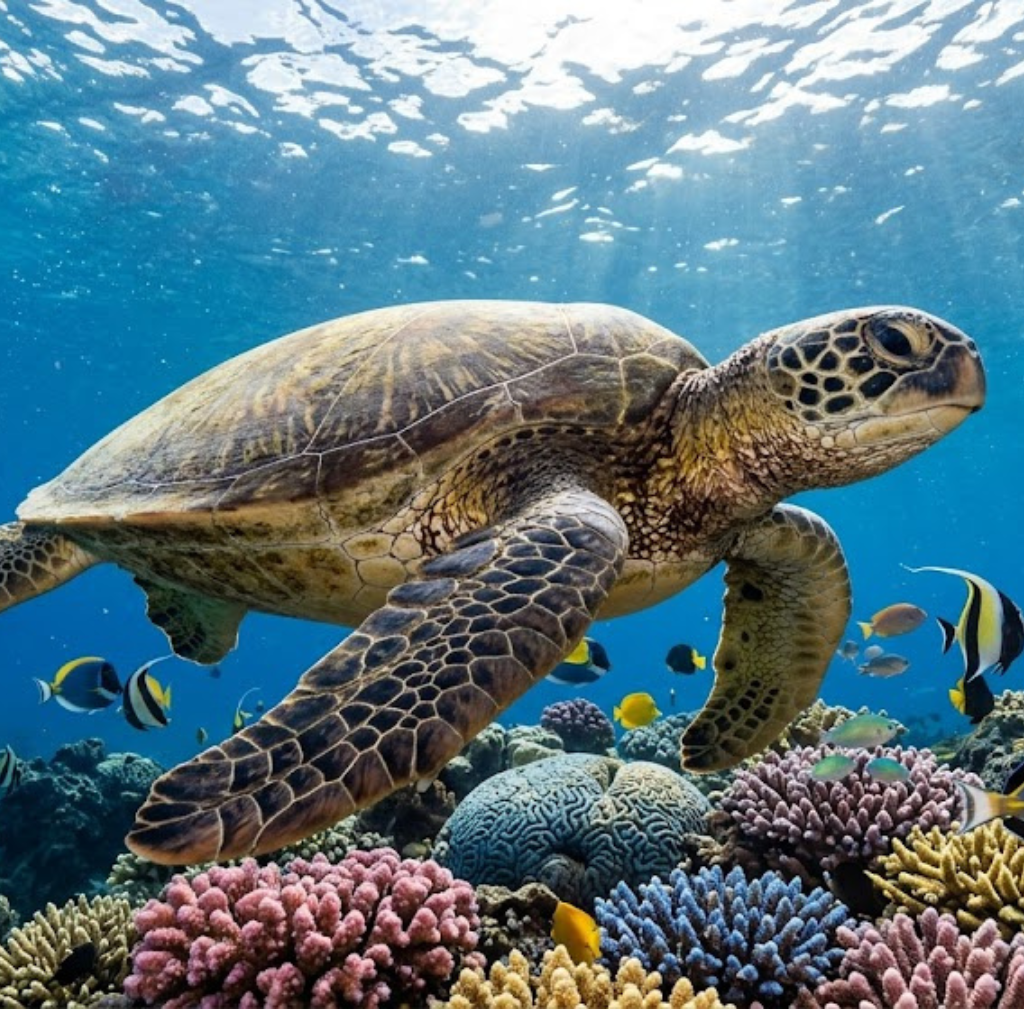
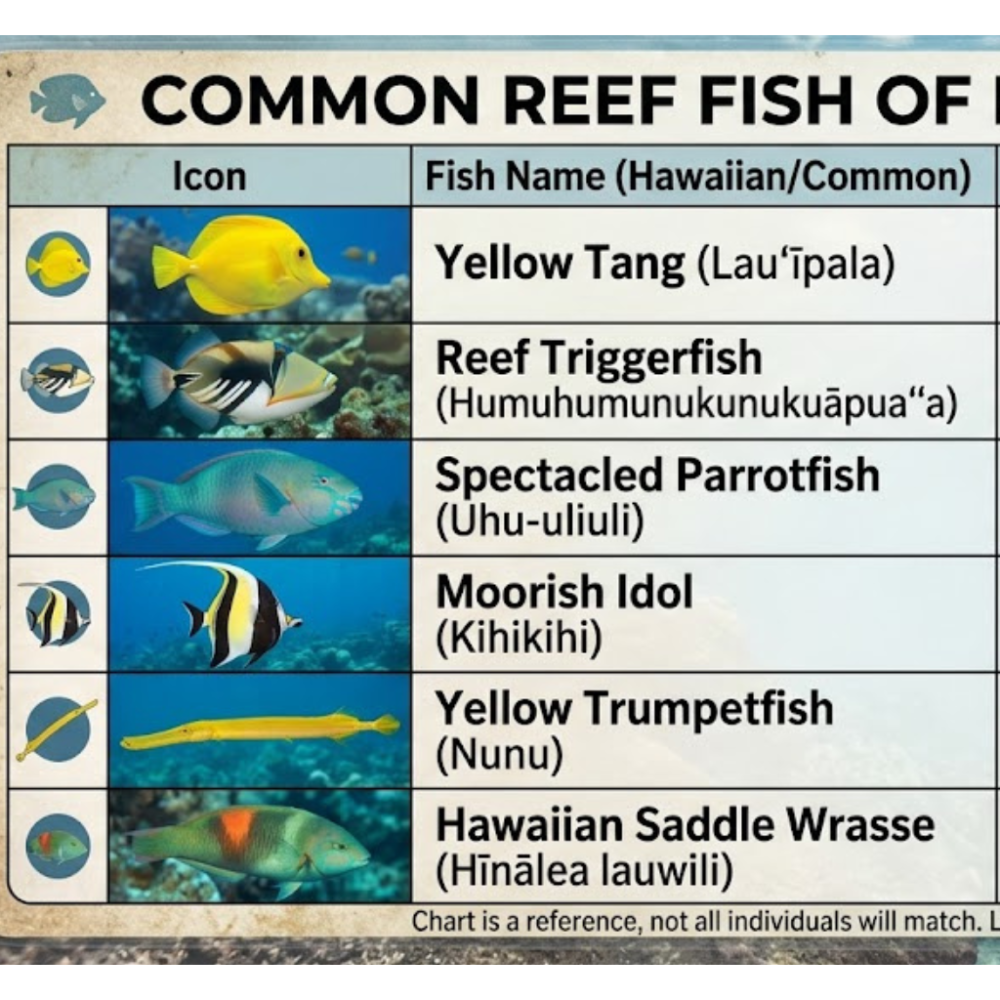
The Kona Coast is home to a resident population of 200 to 300 manta rays. You can see Hawaiian green sea turtles, known as honu, on almost every snorkel. Spinner dolphins frequently rest in the bays along the South Kona Coast, and you’ll often find them during morning tours. Reef sharks, eels, octopus, and dense schools of Hawaiian endemic reef fish like the humuhumunukunukuapua’a are regular sightings at protected bays and lava reef systems.
On the larger end, humpback whales visit from December through April. Hammerhead sharks and whale sharks appear seasonally. It’s possible to see humpbacks, dolphins, turtles, and manta rays on a single outing. That range of encounters, in accessible conditions and without requiring scuba certification, is what makes the answer to “where is the best place to snorkel in the world” so clearly point to Kona.
What Makes the Manta Ray Night Snorkel in Kona a Bucket-List Experience
No other top snorkeling destination on Earth offers this. The manta ray night snorkel in Kona is exclusive to the Big Island, and it’s the experience that brings many people back year after year.
During the day, manta rays feed in the open ocean. At night, they circle into shallow water to feed on the plankton that rise toward the surface, drawn by light. Sea Quest Hawaii’s Night Manta Ray Snorkel takes you into that water. You hold an illuminated flotation device at the surface, the light draws plankton, and the plankton draws the mantas. These animals have wingspans of up to 16 feet and they barrel-roll through the water just feet below you.
You don’t need any experience. You don’t need to dive. The Travel Channel named it one of the top ten things to do in your lifetime. We agree.
Learn more about the Night Manta Ray Snorkel here.
When Is the Best Time to Snorkel in Kona, Hawaii
The short answer: any time of year.
So when people ask us where is the best place to snorkel in the world, we don’t hesitate. The water here is warm, clear, and full of life twelve months a year. The marine encounters range from sea turtles in a protected bay at sunrise to manta rays circling beneath you in the dark.
We’ve been on this water for over 35 years. It still surprises us.
Browse all Sea Quest Hawaii snorkeling tours and book your adventure here.